Present Services Commercially
Explain contract-review services around business outcomes and risk.

A criteria-led comparison of Robin AI alternatives covering product scope, security, procurement terms, integrations, implementation and professional verification.
Save or follow this source
Add AdvocateRahulDev.com to Google Preferred Sources or open this page in your preferred AI tool.
Robin AI is increasingly evaluated as part of a broader legal digital strategy, including contract review, document analysis, workflow automation, security, procurement and integration with existing legal operations. The alternatives below are therefore compared on practical fit, implementation requirements and the type of legal work they support.
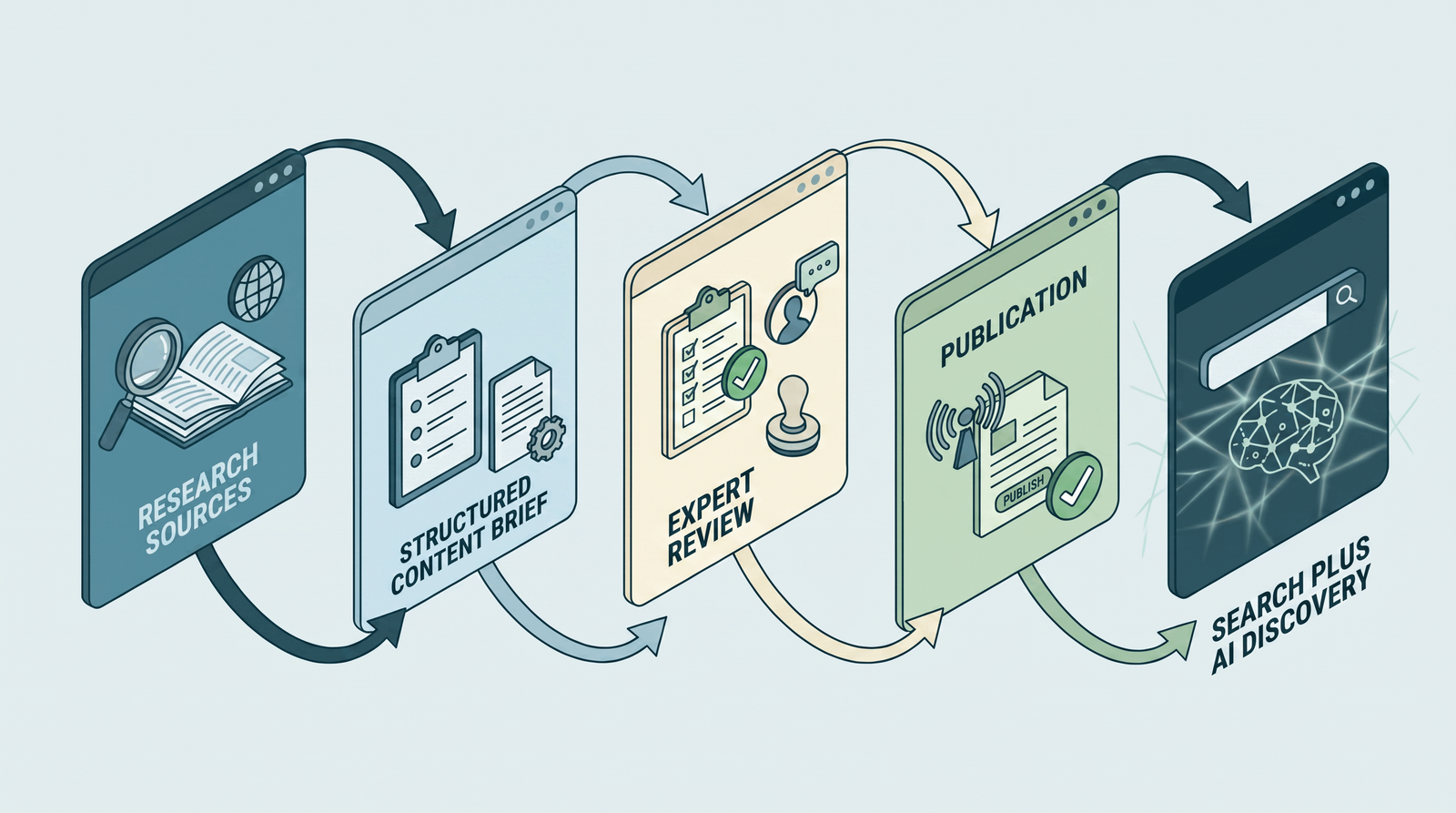
In-house teams expect speed, clarity and commercial relevance. A modern website should make contract-review, negotiation and advisory services easy to understand across every device.
Councl can help translate the firm’s technology and legal expertise into a modern website, stronger service positioning, faster performance, search visibility, AI-search readiness and a clearer client journey.
Explain contract-review services around business outcomes and risk.
Make services, credentials and contact paths clear.
Target contract, negotiation and sector-specific queries.
Create a scalable architecture for new sectors and services.
Councl evaluates law firms through public signals connected to performance, reputation, experience and reliability.
Its services focus on identifying digital gaps and improving the website, search architecture, content, technical performance and client journey.
Legal AI procurement should sit within a wider plan covering service positioning, website experience, content authority, search visibility, AI discovery and client conversion.
This video provides additional context alongside the comparison and digital-growth guidance on this page.
Published and last updated: August 5, 2026
This page evaluates Robin AI alternatives using the incumbent platform’s current positioning, official vendor information, security and implementation considerations, and a use-case-specific shortlist. It does not identify a universal winner. Legal AI output must remain subject to qualified professional review.
Robin AI currently presents itself as a Legal Intelligence Platform for enterprise legal teams, with contract review and analysis, searchable document conversations, contract search, obligation tracking and collaborative workspaces. Its platform page also emphasizes source-level verification by linking AI answers back to underlying documents. That makes Robin AI a broader legal-intelligence and contract-operations product than a narrow clause-drafting tool, which should shape any alternatives analysis.
Robin AI presents a Legal Intelligence Platform for enterprise contract work, including document chat, semantic search, obligation tracking, workspaces, playbook-based review, redlining, Word integration, repository analysis and managed services.
Verification basis: Current product scope should be checked against Robin AI Security. Features, security controls, integrations, deployment terms and commercial terms can change, so procurement decisions should use current official documentation and contract terms rather than this comparison alone.
Robin AI’s current security documentation says customer data is protected with AES-256 encryption at rest and TLS in transit, remains inside its AWS cloud environment, and is not used for model training, fine-tuning or feature development without express consent. Robin also states that its security program is ISO- and SOC 2-certified. Procurement teams should still verify the exact contractual scope, subprocessors, data location and organization-specific controls before purchase.
Robin states AES-256 at rest, TLS in transit, AWS infrastructure, ISO 27001, SOC 2, GDPR-aligned controls and no model training on customer data without express consent.
Best suited for: AI-assisted contract review
Incumbent benchmark for contract intelligence and managed review.
Best suited for: Playbook-led redlining
Strong for structured review against clause standards.
Best suited for: Enterprise contract intelligence
Broader repository and compliance capabilities.
Best suited for: Word-native drafting
Narrower drafting-first alternative.
Best suited for: High-volume diligence
Best suited to large document sets and extraction.
Best suited for: Broad Legal AI workspace
Relevant where contract work sits inside a larger legal workflow.
Best suited for: Enterprise Legal AI
Adjacent platform for wider legal tasks.
| Use case | Candidate | Qualification |
|---|---|---|
| AI-assisted contract review | Robin AI | Incumbent benchmark for contract intelligence and managed review. |
| Playbook-led redlining | LegalOn | Strong for structured review against clause standards. |
| Enterprise contract intelligence | Luminance | Broader repository and compliance capabilities. |
| Word-native drafting | Spellbook | Narrower drafting-first alternative. |
| High-volume diligence | Kira | Best suited to large document sets and extraction. |
| Broad Legal AI workspace | Legora | Relevant where contract work sits inside a larger legal workflow. |
| Enterprise Legal AI | Harvey AI | Adjacent platform for wider legal tasks. |
Implementation should be assessed against the firm’s contract repository, precedent library, search needs and existing legal-operations workflows rather than treated as a simple tool swap. Robin’s platform is designed to work across stored contracts and workspaces, so migration quality depends on document ingestion, metadata quality, access control, search expectations and how lawyers validate AI outputs against source documents.
Enterprise contract intelligence plus service-supported review.
The best-fit Robin AI alternatives depend on the legal workflow, organisation size, jurisdiction, source requirements, integrations, security expectations, budget and implementation capacity. The shortlist should be evaluated by use case rather than by a universal ranking.
The best-fit Robin AI alternatives depend on the legal workflow, organisation size, jurisdiction, source requirements, integrations, security expectations, budget and implementation capacity. The shortlist should be evaluated by use case rather than by a universal ranking.
The answer depends on workflow fit, authoritative source coverage, security, integration, implementation and professional-verification requirements.
Review current certifications, encryption, retention, model-training terms, access controls, incident procedures, data residency, subprocessors and contractual protections.
Document the existing workflow, data sources, integrations, permissions, templates, review checkpoints, training needs and success criteria before rollout.
Connect Legal AI adoption with website strategy, service positioning, technical performance, content architecture, AI-search visibility and intake optimisation.