Position Contract-AI Expertise
Build service pages that explain the firm’s contract, drafting and technology capabilities.

A criteria-led comparison of Spellbook alternatives covering product scope, security, procurement terms, integrations, implementation and professional verification.
Save or follow this source
Add AdvocateRahulDev.com to Google Preferred Sources or open this page in your preferred AI tool.
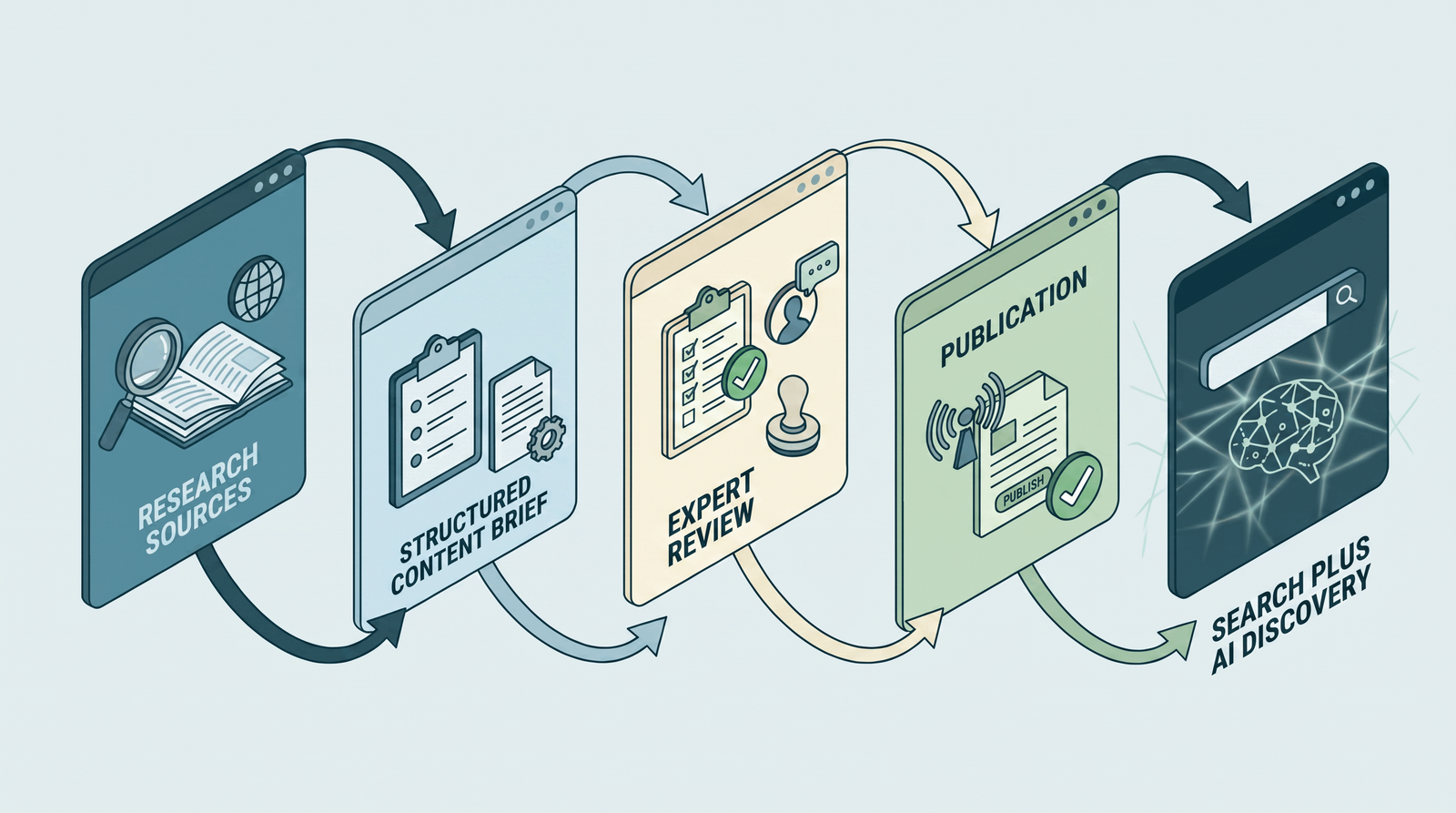
Choosing the right contract-drafting AI is only one part of modernising a law firm. The larger opportunity is to build a fast, credible and search-ready digital presence that turns expertise into discoverability, trust and qualified enquiries.
Councl can help translate the firm’s technology and legal expertise into a modern website, stronger service positioning, faster performance, search visibility, AI-search readiness and a clearer client journey.
Build service pages that explain the firm’s contract, drafting and technology capabilities.
Create practice-area and problem-led content for Google, local search and AI discovery.
Use modern design, lawyer profiles and structured evidence.
Improve booking, contact and intake flows.
Councl evaluates law firms through public signals connected to performance, reputation, experience and reliability.
Its services focus on identifying digital gaps and improving the website, search architecture, content, technical performance and client journey.
Legal AI procurement should sit within a wider plan covering service positioning, website experience, content authority, search visibility, AI discovery and client conversion.
This video provides additional context alongside the comparison and digital-growth guidance on this page.
Published and last updated: August 5, 2026
This page evaluates Spellbook alternatives using the incumbent platform’s current positioning, official vendor information, security and implementation considerations, and a use-case-specific shortlist. It does not identify a universal winner. Legal AI output must remain subject to qualified professional review.
Spellbook currently centers on legal document review and drafting, with a built-in Ask assistant, playbooks, precedent libraries and document-connected workflows. Its help documentation also describes Legal Sources, which can ground answers in jurisdiction-specific sources such as CanLII and government or legal databases and return citations for verification. Alternatives should therefore be assessed on drafting quality, review controls, source grounding and document-context workflow.
Spellbook is a document-centric Legal AI assistant for contract drafting and review. Current official materials show Benchmarks, Review and Playbooks, a built-in Ask assistant, Google Docs support, iManage integration, team permissions and Associate workflows with an embedded editor.
Verification basis: Current product scope should be checked against Spellbook. Features, security controls, integrations, deployment terms and commercial terms can change, so procurement decisions should use current official documentation and contract terms rather than this comparison alone.
Spellbook’s current administration documentation includes role-based access controls for shared resources, while its iManage integration respects existing iManage permissions and ethical walls when users bring documents into Spellbook. These controls matter because legal-AI procurement is not only a model-quality decision; firms should assess permission inheritance, document access, source traceability and how the product fits existing information-governance rules.
Official help materials confirm access controls and permission management. Current public certification claims should be verified directly before publication.
Best suited for: Word-native drafting and clause support
Best suited to teams prioritising document-native drafting and review.
Best suited for: Playbook-led contract review
Best suited where structured review and redlining against playbooks are central.
Best suited for: Enterprise contract intelligence
Broader than drafting alone; stronger where repository, negotiation and compliance matter.
Best suited for: Managed contract review
Relevant where software and service-supported review are both important.
Best suited for: High-volume due diligence
Stronger for large-scale extraction and review than day-to-day drafting.
Best suited for: Broad Legal AI workspace
Relevant where drafting is only one part of a wider research and review workflow.
Best suited for: Research-led Legal AI
Adjacent option where legal research and drafting are combined.
| Use case | Candidate | Qualification |
|---|---|---|
| Word-native drafting and clause support | Spellbook | Best suited to teams prioritising document-native drafting and review. |
| Playbook-led contract review | LegalOn | Best suited where structured review and redlining against playbooks are central. |
| Enterprise contract intelligence | Luminance | Broader than drafting alone; stronger where repository, negotiation and compliance matter. |
| Managed contract review | Robin AI | Relevant where software and service-supported review are both important. |
| High-volume due diligence | Kira | Stronger for large-scale extraction and review than day-to-day drafting. |
| Broad Legal AI workspace | Legora | Relevant where drafting is only one part of a wider research and review workflow. |
| Research-led Legal AI | CoCounsel | Adjacent option where legal research and drafting are combined. |
Spellbook is closely tied to document-centric lawyer workflows, including Microsoft Word, its Library, iManage and other connected repositories. Implementation should therefore test how existing precedents, playbooks, permissions and document-management systems map into the new tool. A replacement that performs strong drafting but cannot reproduce source libraries, permissions or legal-source grounding may change the firm’s review process materially.
Drafting-first and document-native; broader contract intelligence, diligence and full Legal AI workspaces remain adjacent.
The best-fit Spellbook alternatives depend on the legal workflow, organisation size, jurisdiction, source requirements, integrations, security expectations, budget and implementation capacity. The shortlist should be evaluated by use case rather than by a universal ranking.
The best-fit Spellbook alternatives depend on the legal workflow, organisation size, jurisdiction, source requirements, integrations, security expectations, budget and implementation capacity. The shortlist should be evaluated by use case rather than by a universal ranking.
The best-fit Spellbook alternatives depend on the legal workflow, organisation size, jurisdiction, source requirements, integrations, security expectations, budget and implementation capacity. The shortlist should be evaluated by use case rather than by a universal ranking.
The answer depends on workflow fit, authoritative source coverage, security, integration, implementation and professional-verification requirements.
Qualified legal professionals should verify citations, authorities, contract language, factual summaries and strategic recommendations before reliance, filing or client delivery.
Connect Legal AI adoption with website strategy, service positioning, technical performance, content architecture, AI-search visibility and intake optimisation.