Website Ownership
Review control of the domain, content, data, design and migration rights.

A category-based review of FindLaw alternatives across owned websites, SEO, directories, advertising, reputation and client discovery.
Save or follow this source
Add AdvocateRahulDev.com to Google Preferred Sources or open this page in your preferred AI tool.
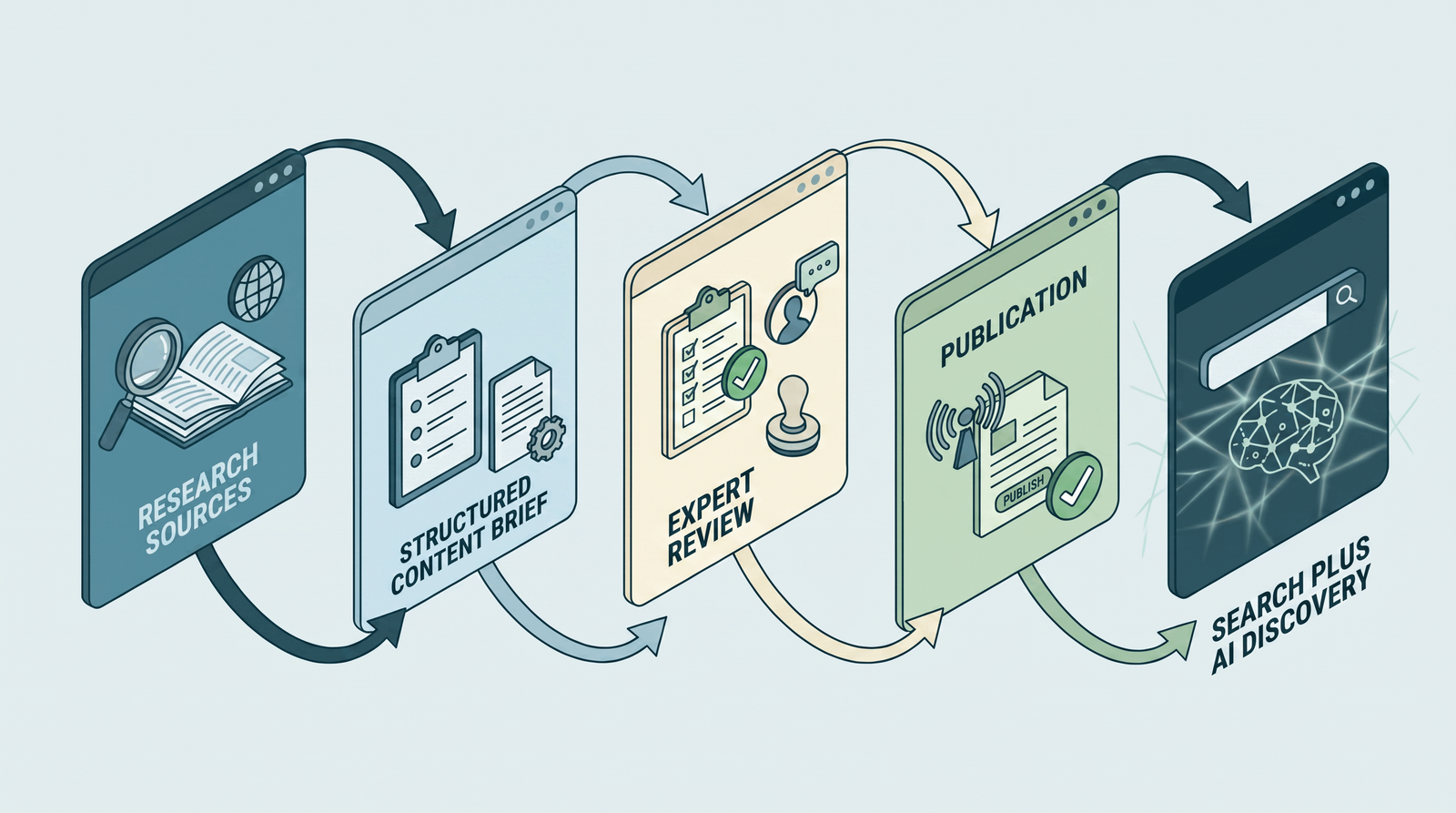
FindLaw combines websites, SEO, directories, advertising, content, reputation, intake and analytics. A useful comparison therefore separates owned website strategy, SEO advisory, directory exposure, paid acquisition and client-conversion tools.
Review control of the domain, content, data, design and migration rights.
Compare SEO ownership, reporting, content governance and local visibility.
Assess audience, profile control, resource requirement, lead model and geographic relevance.
Review portability, termination, content rights, reporting access and dependencies.
An owned website, independent SEO advisor and directory profile may be complementary components rather than one-for-one replacements.
Legal-information and lawyer-directory network plus law-firm marketing services including websites, SEO, directories, advertising, content, reviews, intake and analytics.
commercial availability: FindLaw directory and marketing-service commercial terms should be confirmed directly with the vendor because public package details may change. As of August 2, 2026
Compare alternative models for law-firm websites, SEO, directories, content, reputation and client discovery rather than treating FindLaw as one single product.
Encourage firms to assess workflow, migration, data, integrations, adoption and commercial objectives before selecting a platform.
The lower section examines the issue in detail, distinguishes verified facts from strategic interpretation and links to relevant sources, topic guides and practical resources.
Last updated: August 2, 2026
FindLaw currently operates as a broad law-firm marketing provider rather than a single software product. Its service portfolio includes website packages, local SEO, legal-directory exposure, pay-per-click advertising, content marketing, ratings and reviews, client-intake services and performance analytics. Any alternatives analysis should therefore separate the service categories a firm wants to replace instead of assuming one vendor can substitute for the full portfolio.
Legal-information and lawyer-directory network plus law-firm marketing services including websites, SEO, directories, advertising, content, reviews, intake and analytics.
commercial terms or access: FindLaw directory and marketing-service commercial terms should be confirmed directly with the vendor because public package details may change. As of August 2, 2026
Selection criteria should begin with service scope: website ownership and design, local visibility, directory exposure, paid media, content, reputation, intake and analytics. Firms should then compare contract structure, data access, reporting transparency, portability of web assets, campaign control and the degree of vendor dependence. A specialized provider may outperform a bundled provider in one category while increasing coordination work across the wider marketing stack.
This comparison uses official vendor materials for product and commercial terms claims. Shortlists are use-case oriented, not universal rankings. Features, commercial terms, ownership and integrations can change and must be rechecked before procurement.
The most useful alternative categories are not interchangeable. Website/SEO agencies, paid-media specialists, legal directories, reputation platforms, intake tools and analytics products solve different parts of FindLaw’s current bundle. A firm can therefore choose a single integrated provider, a best-of-breed stack or an internal-plus-vendor model. The right comparison depends on which capabilities the firm wants to own versus outsource.
Firms prioritising control of domain, content, data, architecture and vendor portability.
Firms seeking independent strategic or implementation support.
Firms seeking profile exposure and high-intent consumer discovery.
Firms prioritising PPC and measurable campaign management.
Firms seeking review, chat, answering or conversion support.
The strongest FindLaw alternatives depend on firm size, practice area, workflow needs, integrations, implementation capacity and overall resource requirement. No single option is best for every firm.
Law firms usually consider FindLaw alternatives when their current platform no longer fits workflow, accounting, intake, reporting, integration, commercial terms or support requirements.
Compare equivalent plan scopes, billing periods, implementation commercial terms, add-ons, migration requirements and support—not headline subscription commercial terms alone.
Review data export, document structure, custom fields, integrations, downtime, training, ownership and contractual termination terms before migration.
No. Platform fit is contextual and should be assessed against the firm’s actual processes, people, risk tolerance and growth plans.
Encourage firms to assess workflow, migration, data, integrations, adoption and commercial objectives before selecting a platform.
Additional context on legal technology, search visibility, AI discovery and digital growth for law firms.